Naked and (not really)Afraid [Assessed]

For many Western people, the idea of getting naked with friends, family and strangers in order to take a bath is something very foreign. At least where I come from, I don’t usually share bath time with friends! Bathing in Australia is a very private event, with most people only sharing showers as young children. However, in Japan, there is no shame or discomfort in sharing bath water or even bath time with others. This almost certainly will come as a matter of cultural confusion for you, but don’t let that stop you from trying this relaxing experience! Most tourists may start the experience feeling a bit timid, however by the end of the experience you will wonder, like me, why Westerners are so uncomfortable about the human body.

In Japan there are two kinds of bathing experiences that can be had; onsen and sento. In both, the baths are separated by gender, however mixed and private baths exist as well. Most places prohibit tattoos, but some more modern houses will allow it. The experience involves washing and scrubbing your body before soaking in the baths. Onsen are bodies of water that come from a natural hot spring and are often located in scenic rural areas next to active volcanoes. If you choose to visit an onsen, I recommend you stay the night in a traditional Japanese inn, soaking in the waters and eating traditional Japanese set meals. 
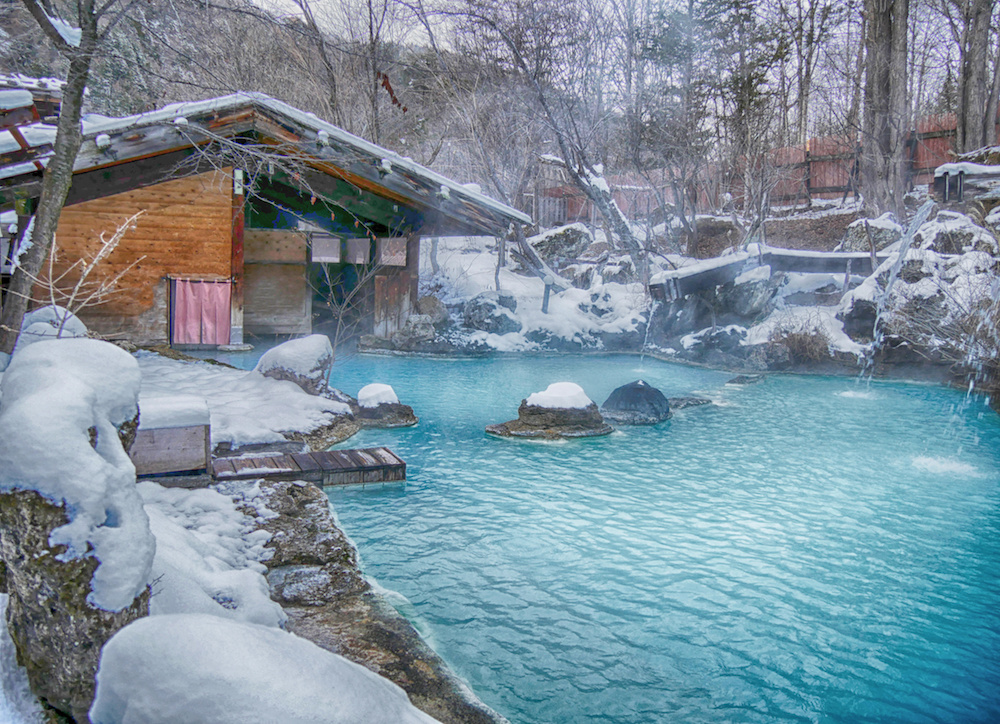
In contrast, sento are paid public baths with tap water heated by boilers. Sento have had a long history in Japan and came about when the majority of houses in Japan didn’t have any bathing facilities. There are several sento in the neighbourhoods around Tokyo, many in traditional temple style buildings. Whilst numbers of sento have decreased in modern times, “super sento” have been developed, for example Ooedo-Onsen Monogatari- an onsen theme-park. These super sento have a variety of additional facilities such as saunas, open-air baths, games and eating areas. These super sento are a great way to try your first onsen/sento experience in Japan, as they combine something that is familiar to us with something new. You might find that after the initial shock wears off, you will want to spend hours enjoying this relaxing experience! 
女性高生:The Exploitation of High School Girls [Assessed]

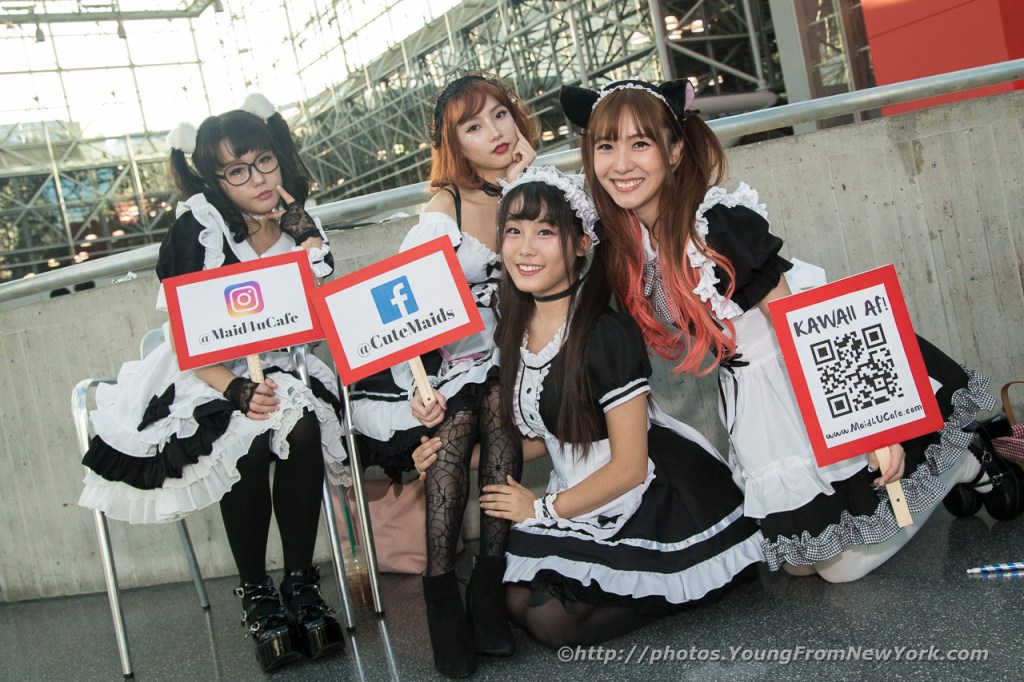
Exploring the streets of Japan can be fascinating for any tourist; the vast array of lights, colours and costume-adorned workers handing out fliers. As a tourist you may wonder what all the cutely dressed girls, often in cat ears, are selling.  Many of these fliers introduce the famous Maid Café industry that provides Japanese people and tourists alike with food and drink, accompanied by cute and young women dressed in maids attire. As a tourist, the extreme levels of cuteness may shock you, but this is all too familiar for the Japanese citizen. 

In Japan, youthfulness and cuteness is so rampantly sold it is almost a commodity. Whilst the celebration of youth and child-like beauty is not intrinsically wrong, it is a dangerous fixation that has led to a realm of issues hidden beneath the surface of Japan. Enter the streets of Kabukicho and you will be met with the stark realisation that whilst putting on the airs of innocence, prostitution is a powerful and booming industry in Japan. 

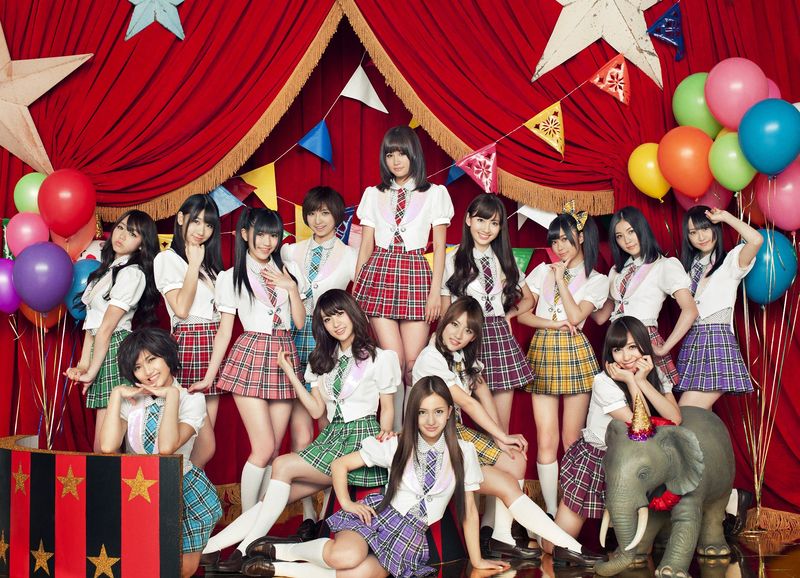
The prominence of prostitution mixed with「女性高生」, which refers to school girl fetishization, has created an industry that exploits young girls for a range of activities; ranging from photos or dates with a schoolgirl, all the way to sexual acts. This culture is visible everywhere; such as billboards of young anime schoolgirls, underage idols singing in school uniforms, and celebrities on television joking about dating younger girls.  

This worrying part of Japanese culture is one that needs international attention. Japanese youth need to be educated about the dangers of seeking work with these businesses, and groups need to be deployed to monitor the streets and stop these ‘transactions’ from taking place. It is my hope that my knowledge in gender and sex studies could be applied in a way that respects the culture and that would allow for improvements in protection for young females in Japan.

Hachiko: A Tale of Loyalty

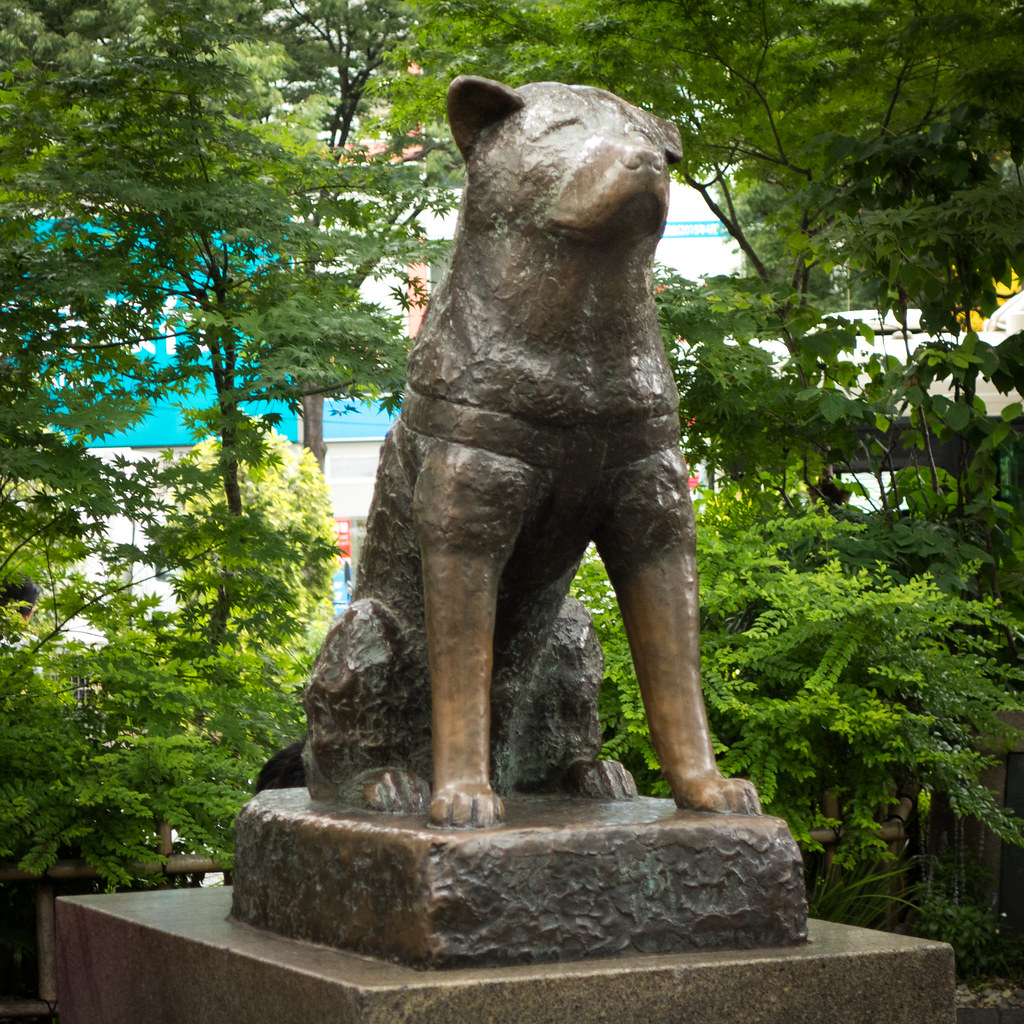
Nestled in Shibuya, next to the biggest crossing in the world, is a statue that profoundly illustrates what it means to engage in the Japanese spirit of life. This statue is named Hachiko.

Hachiko was a dog that demonstrated important Japanese values in its short life. He was known for his infinite loyalty to his owner, and the great love he shared with him. Hachiko accompanied his owner to Shibuya station every morning and returned to meet him every afternoon after work. After his owner suffered a sudden death, Hachiko continued to wait for him every day at Shibuya station. This continued tirelessly for nine-years, rain or shine. During these years, the local people of Shibuya cared for the dog and named him “the faithful dog”.

This loyal trait was much revered by the people of Shibuya, and in 1934, a statue of the dog was resurrected in his honour. A year later, Hachiko passed away at the foot of his statue, after nine long years of waiting to be reunited with his owner. Hachiko statue remains at the same spot that Hachiko waited, in front of Shibuya station. He continues to remind the station-goers every day that loyalty and perseverance is something to strive for. 

Tradition meets Modern Japan [Assessed]

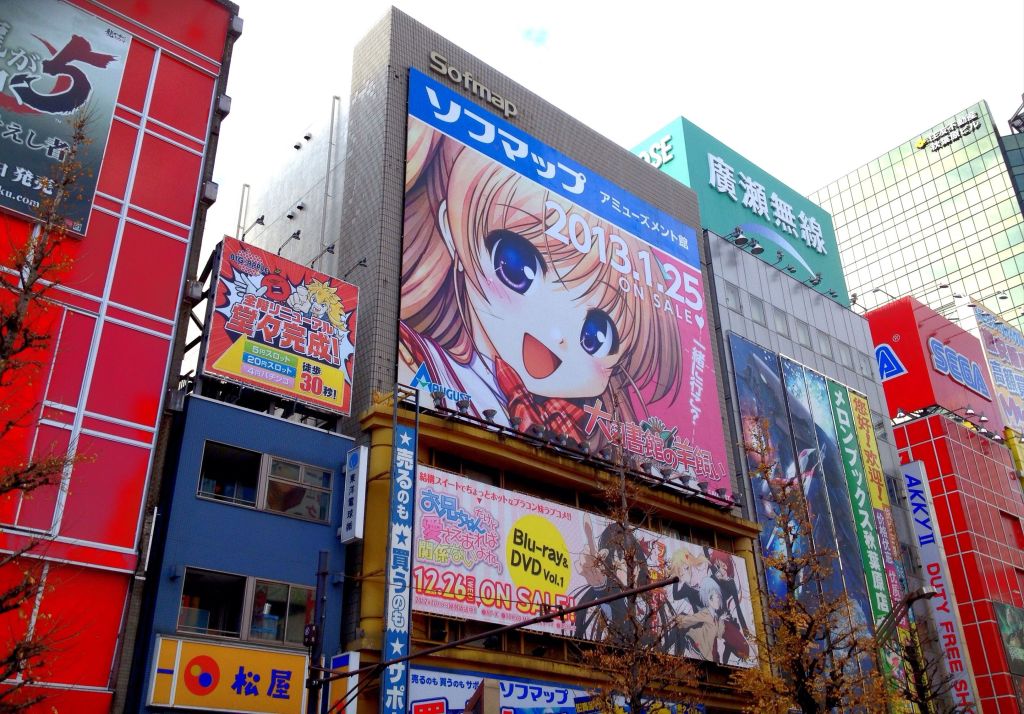
When we look at Japan, we see it as a modern world filled with technology, a glimpse into the future. This is deemed the ‘essence’ of Japan. We, as tourists, look at Japan and see an explosion of colours and screens. We see gaming, animation, A.I., and so much more, and we think that this is Japan’s essence. Join any Japanese club in your country, and you will find animation and gaming. Look at any pamphlet on Japan, and you will get a glimpse into the crazy world of Akihabara, the electric and anime town. 

https://www.pinterest.com/pin/509117932846721725/

This paints a picture of Japan as a weird and wonderful technology and anime paradise. And whilst this is indeed an essential part of Japan, it is not the only part of Japan’s essence. Ask the local Japanese person about what makes Japan “Japan”, and you will get some different answers.

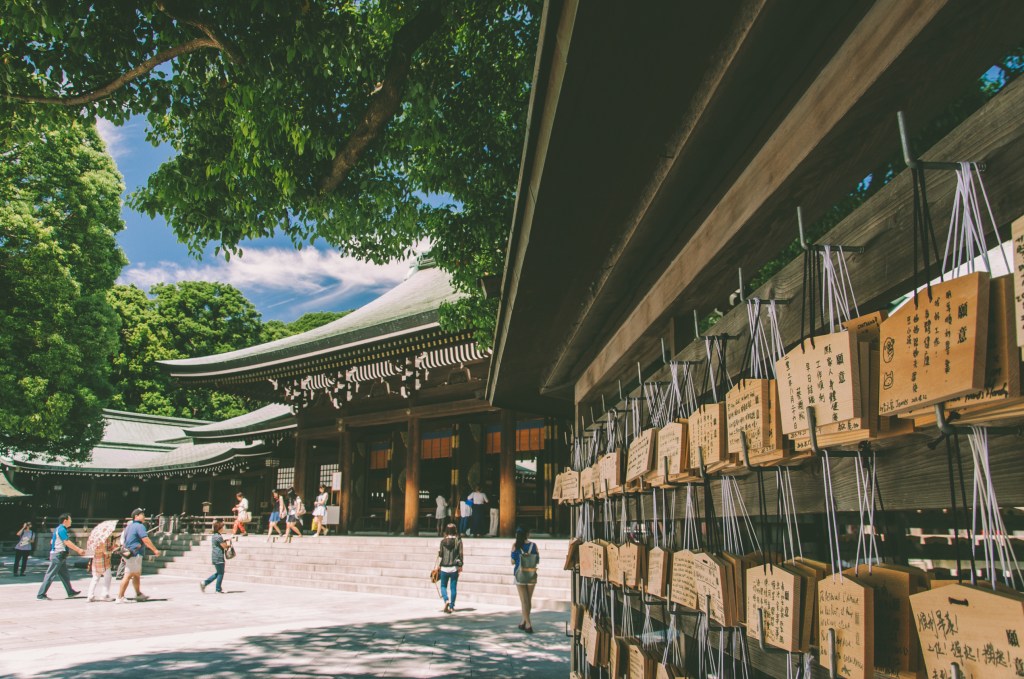
In reality, Japan has been built into the country it is today from a great deal of tradition and history. Walk around the streets of Japan and you will see a unique blend of tradition meets the modern world. One moment you are shopping in the colourful streets of Harajuku, and the next you are in a world of its own at Meiji Shrine. This blend of tradition and religion is also a hugely impactful part of Japanese society.

https://www.lonelyplanet.com/japan/tokyo/attractions/meiji-jingu/a/poi-sig/396897/356817

Essentialising Japan as just its modern image can be problematic as it ignores the deep-rooted traditions that form Japanese society. Many local Japanese people have a moral compass and follow rules and guidelines that pertain to this religious history. Ignoring this side of Japan allows tourists to ignore an important part of Japanese society, and miss and integral lesson on Japanese culture. I highly recommend you explore the traditional and religious side of Japan, as well as the modern side. You might even find figurines of your favourite anime character adorning these important landmarks!

Symbolic Japan: Koi for Perseverance

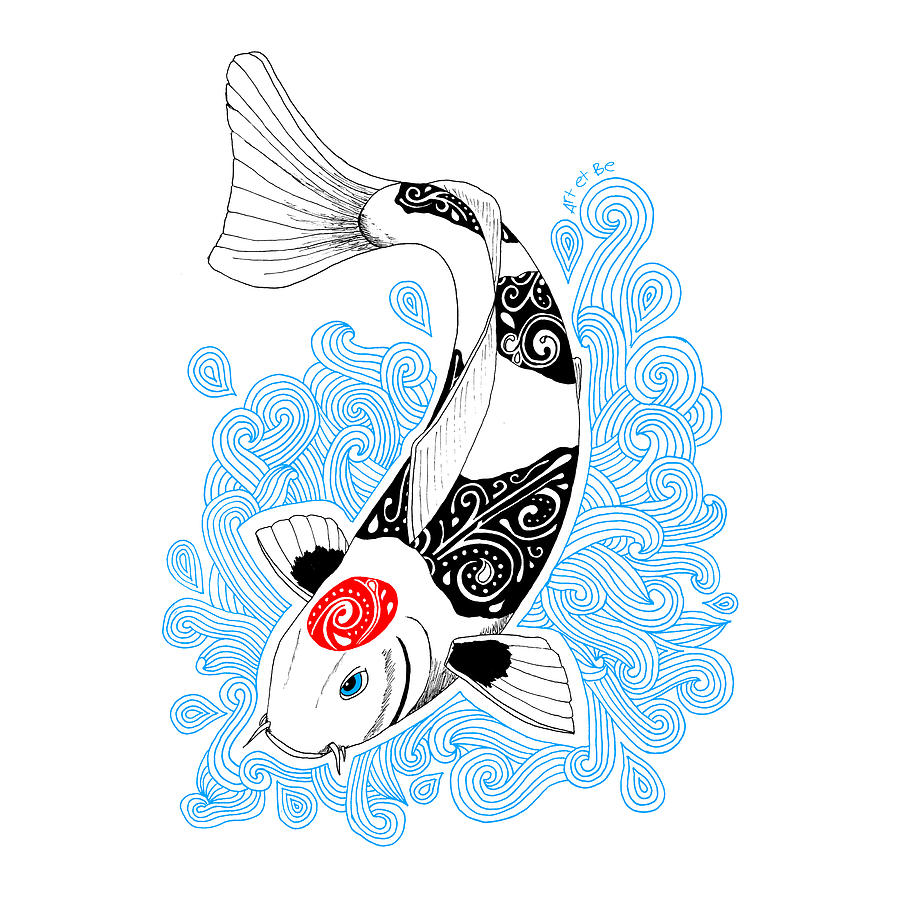
The Koi fish symbolises many important cultural aspects and is integral to Japan’s national identity. The most iconic of Koi fish; the Tancho, has a pure white body with a red spot on their head, symbolic of the Japanese flag.  

https://fineartamerica.com/featured/koi-tancho-art-et-be.html

These beautiful fish serve as a reminder of the foundations of a strong and “whole” person in Japan. Koi fish are always moving upstream in blazing colours, never ceasing to move and ebb with the flow of the water. When we view such vivid colours, as well as their collective perseverance, we are reminded of the Japanese belief in remaining strong when faced with adversity.

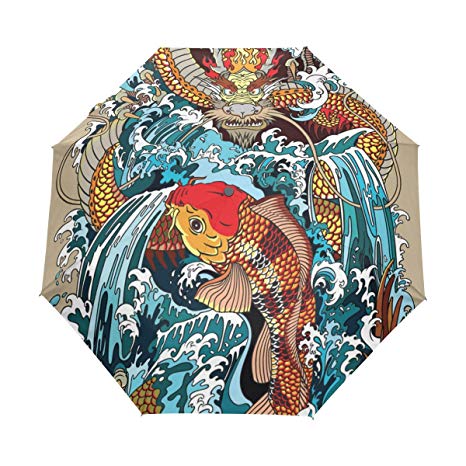
Koi fish work together, using their wisdom and loyalty to achieve things beyond what only one Koi could do. Together they can climb waterfalls, or even become dragons. 「鯉のぼり」reflects this belief of becoming a dragon, in which young boys aspire to become a dragon (a good man) like the Koi fish. 

This fondness for Koi has led to Koi being bred in the brilliant colours we can see today. The next time we are lucky enough to see these striking fish in Japan, I hope we can remember to persevere.